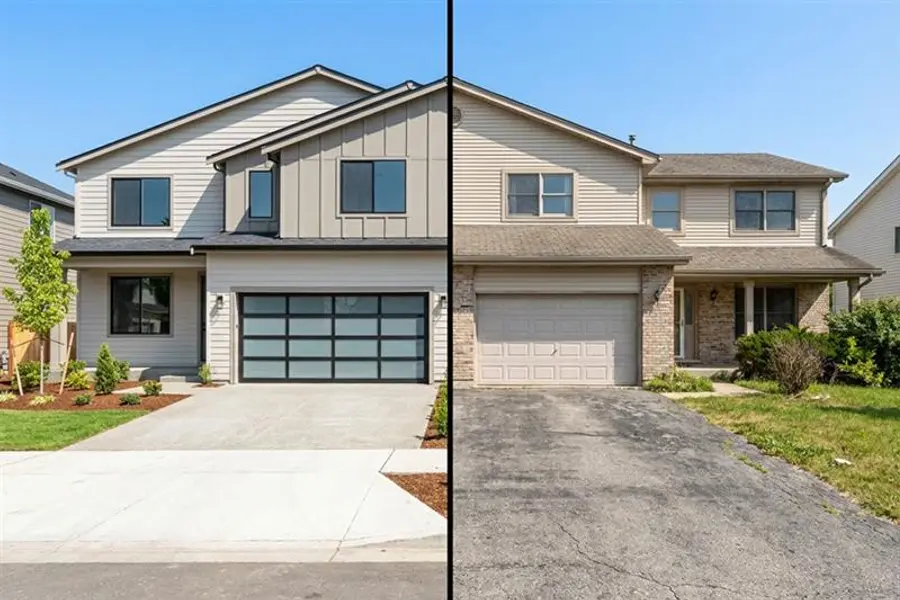
New Construction vs. Existing Homes in Denver: Which Is Right for You?
Should you build new or buy existing in Denver?
This is one of the most common questions Denver home buyers face, and the right choice depends on what matters most to you. Both options have genuine merits. We're a home builder, so naturally we believe in new construction — but the numbers support it too. Here's an honest comparison to help you make an informed decision.
The case for new construction
No competition or bidding wars
If you've been house hunting in Denver's resale market, you know how it works: multiple offers, waived inspections, prices climbing above asking. New construction takes a different approach. The pricing is transparent. You know exactly what you'll pay, and nobody outbids you for the home you want.
Modern design that reflects how families live
Homes built decades ago were designed for different lifestyles. New construction reflects current needs:
- Open floor plans for family interaction
- Home office spaces for remote work
- Large kitchen islands for gathering, homework, and meals
- Smart home infrastructure built in from the start
- Storage solutions designed for today's households
Everything is new and under warranty
When you build new, every system, appliance, and component is current and covered. You're not wondering about the age of the water heater or the condition of the roof.
Builder warranties
New homes come with warranties typically covering:
- 1 year: Workmanship and materials
- 2 years: Mechanical systems (plumbing, electrical, HVAC)
- 10 years: Structural components
That's meaningful protection during the critical early years of ownership.
Energy efficiency
Modern building codes require insulation, windows, and systems far more efficient than homes built even 10–15 years ago. The result is typically 20–30% lower utility costs. In Colorado's climate, that adds up significantly over time.
Personalization
Building new means you select:
- The floor plan that matches your family's needs
- Interior finishes (cabinets, counters, flooring)
- Fixtures and hardware
- Optional features you actually want
- Your lot location within the community
At Cardel, we offer extensive personalization options so your home reflects how you live. Explore our design options.
Health and safety
New construction meets current codes for electrical safety, fire safety, indoor air quality, and structural integrity. Older homes may contain lead paint, asbestos, or outdated electrical systems.
The case for existing homes
Existing homes have real advantages worth considering:
Established neighborhoods
Existing homes often sit in established neighborhoods with mature trees, known community character, and proven property values. New communities develop character over time, but established ones have it now.
Central locations
Closer-in neighborhoods were developed decades ago. If proximity to urban cores matters more than new construction benefits, existing homes offer options unavailable to new builds.
Unique character
Older homes offer architectural styles not replicated in new construction — Victorian details, mid-century modern design, Craftsman character. Some buyers genuinely value this more than modern efficiency.
Immediate availability
Existing homes are ready now. New construction requires build time — typically 6–10 months. If you must move within 30 days, existing homes offer faster occupancy.
Cost comparison
New construction
- Purchase price: Typically higher per sq ft
- Closing costs: Sometimes reduced with builder lenders
- Immediate repairs: $0
- First-year maintenance: Minimal (warranty)
- Utility costs: Lower (efficient systems)
- Insurance: Often lower (new systems)
- 5-year total cost: Often competitive
Existing homes
- Purchase price: Lower per sq ft
- Closing costs: Standard
- Immediate repairs: $5,000–$25,000+ common
- First-year maintenance: Varies widely
- Utility costs: Higher (older systems)
- Insurance: Higher (older systems)
- 5-year total cost: Often higher than expected
When you factor in total ownership costs, new construction frequently proves competitive or superior — even at higher initial prices.
Who should consider new construction?
Families with children
Modern floor plans accommodate family life better than older designs. Open kitchens allow supervision while cooking, dedicated homework spaces support education, and multiple bathrooms prevent morning conflicts.
Remote workers
New homes include spaces designed for home offices — proper lighting, electrical capacity, and separation from living areas. Older homes require adaptation.
Efficiency-minded buyers
If minimizing operating costs matters, new construction's efficiency advantage is substantial. Over 10 years, utility savings can exceed $25,000.
Those tired of bidding wars
New construction's transparent pricing offers a welcome change. Reserve your home, select your options, and close at the agreed price.
Who might prefer existing?
Urban location priority
If living in Capitol Hill, Cherry Creek, or similar close-in neighborhoods matters more than anything else, existing homes may be the only option.
Character seekers
Those who value architectural character and historical significance unavailable in new construction.
Immediate movers
Buyers who must move within 30–60 days cannot wait for construction timelines.
The Denver market reality
Resale market:
- Low inventory creates intense competition
- Multiple offers are common
- Waived inspections feel necessary (but risky)
- Prices often exceed asking
New construction:
- Increasing availability as builders respond to demand
- Fixed pricing removes uncertainty
- Inspection processes protect you
- Move-in dates can be planned
Cardel Homes offers new construction in several desirable Denver locations, providing real alternatives to the competitive resale market. Explore our communities.
Questions to ask yourself
- How important is immediate move-in versus waiting for construction?
- Do I value urban location over suburban community amenities?
- Am I comfortable with the repair possibilities of an older home?
- Does architectural character matter more than energy efficiency?
- Am I tired of bidding wars?
- Do I want to personalize my home from the start?
Making your decision
Neither choice is universally better — it depends on your priorities. But for buyers who value predictable pricing, modern design, energy efficiency, warranty protection, and personalization options, new construction often proves the stronger choice, especially in Denver's competitive market.
Cardel Homes invites you to explore our Denver communities and experience the new construction difference. Schedule a visit.
Sources:
- New construction energy efficiency savings (20–30%): U.S. Department of Energy, ENERGY STAR — www.energystar.gov
- Builder warranty coverage standards: National Association of Home Builders — www.nahb.org
- Home ownership cost comparisons: National Association of Realtors — www.nar.realtor